
What Are Disadvantages Of Invisalign in Troy, MI?
At Inspire Dentistry, we believe patients should fully understand both the advantages and limitations of orthodontic treatment before starting their smile journey. Clear aligner therapy offers comfort, flexibility, and discreet appearance, but like any dental treatment, it may not be the perfect solution for every patient. Our What Are Disadvantages Of Invisalign in Troy, MI consultation helps patients make informed decisions by understanding the possible challenges, responsibilities, and treatment considerations involved with clear aligner therapy. Whether you are comparing braces and aligners or exploring orthodontic treatment for the first time, personalized guidance helps you choose the option that fits your smile goals and lifestyle.
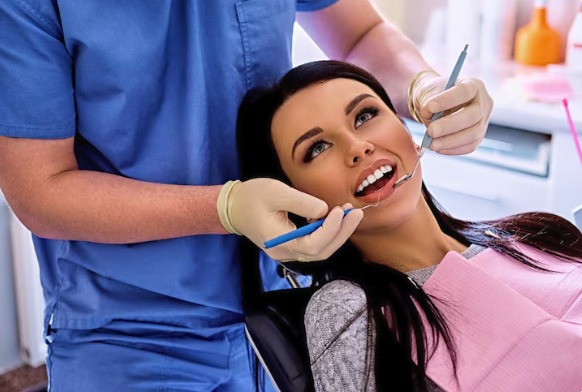
What Are Disadvantages Of Invisalign?
Understanding Both Sides of Clear Aligner Treatment
Clear aligners have become a popular orthodontic choice for teens and adults who want straighter teeth without metal brackets or wires. Their removable design, discreet appearance, and digital treatment planning make them appealing for many lifestyles.
However, successful orthodontic treatment depends on more than appearance alone. Tooth movement requires consistency, discipline, proper oral hygiene, and realistic expectations. While clear aligners can deliver excellent results, some patients may experience challenges during treatment depending on their habits, schedule, and orthodontic needs.
Understanding the limitations of aligner treatment helps patients make confident, informed decisions before beginning orthodontic care.
Choosing What Are Disadvantages Of Invisalign in Troy, MI allows patients to explore whether clear aligner therapy truly fits their goals, routine, and long-term oral health.
Treatment Requires Strong Patient Discipline
One of the biggest challenges with clear aligners is patient responsibility. Unlike traditional braces that stay attached to the teeth, aligners are removable and depend entirely on consistent daily wear.
For successful results, aligners are usually worn around 20 to 22 hours every day. They should only be removed during meals, brushing, flossing, and certain beverages.
Patients who frequently forget to wear their aligners, remove them too often, or wear them inconsistently may experience slower progress, poor fit, or delayed treatment results.
For patients who prefer a treatment option that works continuously without daily responsibility, traditional braces may sometimes be easier.
Aligners Must Be Removed Before Eating
Another common challenge is that aligners usually need to be removed before eating or drinking anything other than water.
This means patients must:
- Remove aligners before meals
- Store aligners safely
- Brush before reinserting
- Avoid hot beverages while wearing aligners
- Clean trays regularly
- Avoid losing aligners during meals
- Maintain good hygiene on the go
- Plan ahead during travel
- Carry aligner cases
- Stay consistent throughout the day
For some patients with busy work schedules, school activities, or frequent social events, this extra routine may feel inconvenient.
Some Patients Experience Temporary Speech Changes
When first starting aligner treatment, some patients notice a temporary change in speech or a slight lisp.
This happens because the tongue is adjusting to the presence of the aligners covering the teeth. For most patients, speech improves naturally within a few days as the mouth adapts.
Patients who speak frequently for work, teaching, public speaking, or presentations may notice this adjustment period more than others.
Fortunately, this effect is usually temporary and improves with consistent wear.
Aligners Can Be Easy to Misplace
Because aligners are removable, they may occasionally be lost, forgotten, or accidentally thrown away.
This commonly happens when aligners are wrapped in napkins during meals, left in school lunch areas, placed in pockets, or removed during travel.
Replacing lost aligners may delay treatment progress and sometimes create additional treatment costs.
Children, teens, college students, and busy professionals may need extra reminders to store aligners properly throughout treatment.
Not Every Orthodontic Case Is Ideal
While clear aligners can successfully treat many mild to moderate alignment concerns, some complex orthodontic cases may still respond better to traditional braces or more advanced orthodontic techniques.
Certain situations may require additional planning, attachments, elastics, or alternative treatment approaches, including:
- Severe crowding
- Complex bite discrepancies
- Significant tooth rotation
- Large jaw alignment concerns
- Vertical bite problems
- Impacted teeth
- Extensive spacing issues
- Advanced skeletal discrepancies
- Multiple missing teeth
- Complex retreatment cases
A professional orthodontic evaluation helps determine whether aligners are truly the best option.
Attachments May Still Be Needed
Some patients assume clear aligners work without anything attached to the teeth. In reality, small tooth-colored attachments are often placed on specific teeth to improve movement control.
These attachments help guide rotations, root movement, and complex alignment corrections.
Although they are usually discreet, some patients are surprised that aligner treatment may still involve visible attachments during certain stages.
These attachments are temporary and removed after treatment is complete.
Oral Hygiene Must Be More Consistent
Because aligners fit closely over the teeth, food particles or plaque left behind may remain trapped against the tooth surface if proper brushing is not maintained.
This may increase the risk of:
- Plaque buildup
- Tooth staining
- Bad breath
- Gum irritation
- Enamel demineralization
- Cavities
- Tartar accumulation
- Tray discoloration
- Gum inflammation
- Oral discomfort
Patients who already struggle with oral hygiene may need extra support during treatment.
Benefits Still Often Outweigh the Challenges
1. Discreet Appearance with Daily Responsibility
Clear aligners offer a nearly invisible orthodontic solution that many adults and teens prefer. While this aesthetic benefit is highly attractive, it also comes with daily responsibility. Patients who wear aligners consistently and follow instructions often enjoy excellent cosmetic and functional results.
2. Comfortable Treatment with Lifestyle Adjustments
The smooth design of aligners eliminates brackets and wires, which many patients find more comfortable. However, treatment requires adjustments in eating habits, cleaning routines, and daily planning. Patients who stay organized often adapt quickly and comfortably.
3. Flexible Treatment with Personal Commitment
Because aligners are removable, patients can eat normally and maintain easier oral hygiene. This flexibility can be a major advantage, but success depends on discipline and consistent wear throughout treatment.
4. Predictable Results with Proper Compliance
Digital planning allows highly customized tooth movement, but treatment only stays on track when patients follow instructions carefully. Consistent wear and regular progress visits help create safe, predictable, and lasting smile improvements.
Who Should Carefully Consider Clear Aligners?
Clear aligners may require extra consideration for:
- Younger children
- Forgetful teens
- Frequent snackers
- Busy travelers
- Public speakers
- Patients with poor oral hygiene
- Complex orthodontic cases
- Patients with gum disease
- Severe bite concerns
- Patients seeking zero maintenance
A personalized consultation helps determine the best orthodontic option.
Our Orthodontic Evaluation Process
At Inspire Dentistry, every orthodontic journey begins with digital smile scanning, bite analysis, clinical examination, and customized treatment planning.
We evaluate tooth position, gum health, jaw alignment, lifestyle habits, and long-term smile goals before recommending treatment.
Our goal is to help every patient choose the safest, most effective, and most realistic orthodontic solution.
Services Include
- Orthodontic Consultation
- Digital Smile Scanning
- Retention and Follow-Up Care
- Emergency Root Canal Therapy
- Gum Contouring

Common Question
What Is Accelerated Orthodontics?
Accelerated orthodontics is an advanced treatment approach designed to help teeth move more efficiently during braces or clear aligner therapy. It may use digital precision, bone stimulation, or supportive technology to encourage faster tooth movement while maintaining safety. What Is Accelerated Orthodontics in Troy, MI helps patients achieve straighter smiles in less time with personalized treatment.
Is Accelerated Orthodontics Safe?
Yes, when performed under professional supervision, accelerated orthodontic treatment is designed to support safe and controlled tooth movement. Every patient receives a detailed evaluation before treatment begins to ensure healthy gums, bone support, and proper candidacy.
How Much Faster Is Accelerated Treatment?
Treatment speed varies depending on your bite, tooth movement goals, and treatment method. Some systems report movement improvements of 30% to 50% in selected cases when used consistently.
Can Adults Use Accelerated Orthodontics?
Yes, many adults choose accelerated orthodontics because it may reduce treatment time while fitting busy professional and personal schedules. Adult candidates often benefit from customized digital planning and efficient orthodontic mechanics.
Is Accelerated Orthodontics Better Than Traditional Treatment?
Both treatment approaches can deliver excellent results. Accelerated orthodontics may be ideal for patients seeking shorter treatment times, while traditional treatment may be recommended for certain complex cases. A professional consultation helps determine the best option for your smile goals.
Get in touch
Book An Appointment in Canton?
734-667-5475
Book An Appointment in Troy?
248-817-2620
Email Address
info@inspire-dentistry.com