
Top 10 Best Snoring Remedies in Canton, MI
Snoring is a common sleep-related problem that affects people of all ages and can have a serious impact on both personal health and daily quality of life. While many people think snoring is simply an annoying nighttime sound, it can sometimes be a warning sign of restricted airflow, poor sleep quality, or even an underlying sleep disorder. Patients in Canton, MI who struggle with chronic snoring often experience daytime fatigue, morning headaches, difficulty concentrating, low energy, and restless sleep without fully understanding the cause. At Inspire Dentistry, patients receive personalized guidance and treatment options designed to improve nighttime breathing, reduce snoring, and support healthier sleep for long-term wellness.
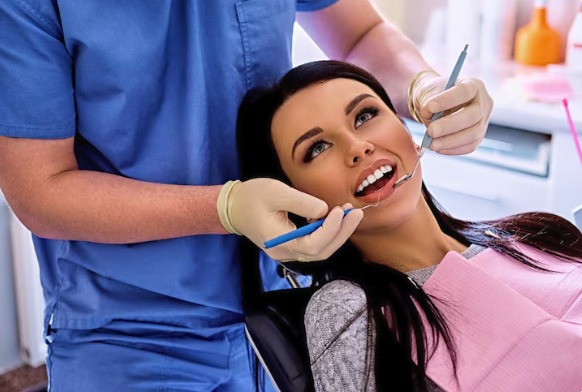
10 Snoring Remedies: What May Help and When to Seek Treatment
Snoring occurs when airflow causes tissues in the upper airway to vibrate during sleep. It can happen occasionally or become a regular problem that disturbs a person’s sleep or their partner’s rest. The most appropriate snoring remedy depends on what is causing the sound, including sleep position, nasal congestion, alcohol use, airway anatomy, or obstructive sleep apnea.
Some people may benefit from simple changes to their sleeping habits. Others need an evaluation by a healthcare professional to identify the cause and choose an appropriate treatment. Inspire Dentistry in Canton, Michigan, offers a dental-care pathway for patients interested in discussing oral appliance options when clinically appropriate.
Custom Oral Appliance Therapy
One of the most effective long-term snoring remedies is custom oral appliance therapy. These professionally designed devices are worn during sleep and help keep the airway open by gently moving the lower jaw into a forward position. This repositioning creates more space in the throat and reduces tissue collapse that causes snoring.
Unlike over-the-counter devices, custom oral appliances are made specifically for your bite, jaw structure, and airway needs. This provides better comfort, better retention, and more consistent results during sleep. Because the appliance fits naturally over the teeth, many patients adjust to it quickly.
Patients often notice quieter breathing, reduced snoring, and better sleep quality after only a short period of consistent use. For many individuals, oral appliance therapy becomes an important part of long-term sleep improvement.
Professional Sleep Evaluation
A professional sleep evaluation is often one of the most important first steps in treating chronic snoring. While snoring may seem harmless, it can sometimes be connected to obstructive sleep apnea or other airway conditions that affect oxygen levels during sleep.
During a sleep evaluation, breathing patterns, sleep interruptions, oxygen saturation, and overall airway behavior are analyzed. This helps determine whether snoring is positional, anatomical, or related to a more serious sleep disorder.
Once the cause is identified, a personalized treatment plan can be created. Accurate diagnosis helps patients avoid ineffective treatments and focus on solutions that truly address the root problem.
Sleeping on Your Side
Sleep position can strongly influence how much a person snores during the night. When sleeping on the back, gravity can cause the tongue and soft tissues to fall backward, narrowing the airway and increasing airflow resistance.
Sleeping on the side often helps keep the airway more open and stable. This simple adjustment can reduce tissue vibration and improve breathing in many mild snoring cases.
Although positional changes may not completely solve severe snoring, many patients notice meaningful improvement by avoiding back sleeping. Combining this habit with other treatments often produces better long-term results.
Weight Management and Airway Support
Excess body weight can increase pressure around the neck, throat, and airway, making airflow more restricted during sleep. This can increase the likelihood of tissue collapse and loud snoring.
Weight management often plays an important role in reducing airway obstruction and supporting healthier nighttime breathing. Even modest weight reduction may improve airflow and decrease snoring intensity.
Regular physical activity, balanced nutrition, and healthy lifestyle habits not only improve sleep but also support heart health, energy levels, and overall wellness.
Reducing Nasal Congestion
Blocked nasal passages can force the body to breathe through the mouth during sleep, which often worsens snoring. Allergies, sinus pressure, colds, and inflammation can all contribute to nasal congestion.
Improving nasal airflow can significantly reduce snoring for some patients. Hydration, humidified air, allergy management, and healthy sinus care may all support better nighttime breathing.
When nasal breathing improves, airflow becomes smoother and less turbulent, reducing tissue vibration in the airway.
Avoiding Alcohol Before Bedtime
Alcohol can cause the muscles of the throat and airway to relax more than normal during sleep. This increased relaxation can make airway collapse more likely and intensify snoring.
Patients who consume alcohol close to bedtime often notice louder snoring and poorer sleep quality. Avoiding alcohol in the evening may help improve airway stability.
This simple lifestyle adjustment can support better breathing and enhance the effectiveness of other snoring treatments.
Quitting Smoking for Better Airway Health
Smoking can irritate the tissues of the nose, throat, and airway, leading to chronic inflammation and increased airway resistance. Over time, this irritation may significantly worsen snoring.
Patients who reduce or quit smoking often notice improved breathing, less airway swelling, and better overall respiratory function. These changes can positively affect sleep quality.
Improved airway health not only helps reduce snoring but also supports long-term wellness and cardiovascular health.
Maintaining a Consistent Sleep Schedule
Irregular sleep habits and sleep deprivation can sometimes make snoring worse. When the body becomes overly tired, throat muscles may relax more deeply during sleep, increasing airway collapse.
Going to bed at consistent times and allowing enough sleep each night can support healthier breathing patterns. A stable sleep schedule also improves energy, focus, and emotional well-being.
Patients who improve their sleep routine often notice better rest and reduced snoring intensity over time.
Treating Underlying Sleep Apnea
For some patients, snoring is not just a simple sleep habit but a sign of obstructive sleep apnea. Sleep apnea causes repeated breathing interruptions that may affect oxygen levels and put stress on the body.
If sleep apnea is present, treating the underlying airway obstruction becomes essential. Oral appliance therapy or other professional treatment may be recommended depending on severity.
Proper diagnosis and treatment can significantly improve breathing, energy, heart health, and overall quality of life.
Jaw Position and Airway Alignment
Jaw structure and bite alignment can directly affect how open the airway remains during sleep. In some patients, the lower jaw naturally sits farther back, increasing airway restriction.
Custom treatment designed to support jaw positioning can create more airway space and reduce soft tissue collapse. This often improves breathing consistency throughout the night.
A professional dental airway evaluation helps determine whether jaw position is contributing to chronic snoring.
Importance of Long-Term Follow-Up
Snoring treatment is most effective when progress is monitored over time. Changes in weight, aging, jaw position, or overall health can affect airway function.
Routine follow-up visits allow adjustments to treatment when necessary. Small changes in appliance fit or lifestyle recommendations may significantly improve long-term results.
Ongoing monitoring helps patients maintain healthier breathing and consistent sleep quality for years.
Services Include
- Sleep Apnea Consultation
- Airway Evaluation
- Custom Oral Appliance Therapy
- Tooth Bonding
- Sleep Treatment Monitoring
Common Question
What is the most effective treatment for chronic snoring?
The most effective treatment depends on the underlying cause of the snoring. Some patients benefit from lifestyle changes, while others need custom oral appliance therapy or treatment for sleep apnea. A professional airway evaluation helps identify the most effective long-term solution. Personalized treatment usually provides the best and most lasting results.
Can a dental device really stop snoring?
Yes, custom oral appliances can significantly reduce or even eliminate snoring for many patients. These devices help reposition the jaw and support a more open airway during sleep. This reduces soft tissue vibration and improves airflow throughout the night. Many patients notice better sleep and quieter breathing after regular use.
When should snoring become a medical concern?
Snoring should be evaluated if it happens regularly, becomes very loud, or is accompanied by choking, gasping, fatigue, or morning headaches. These symptoms may suggest sleep apnea or another airway condition. Early diagnosis helps prevent long-term health complications. Professional treatment can greatly improve sleep and overall wellness.
Can losing weight help reduce snoring?
Yes, weight reduction can improve airflow and reduce pressure around the throat and airway. Many patients notice less snoring after improving their physical health and daily habits. However, weight loss alone may not fully solve structural airway problems. A professional evaluation helps identify all contributing factors.
Is snoring always related to sleep apnea?
Not always, but chronic loud snoring can sometimes be a warning sign of sleep apnea. Some patients snore because of nasal blockage, sleeping position, or throat anatomy without breathing interruptions. Others may have repeated airway collapse during sleep. Proper evaluation helps determine the exact cause and best treatment approach.
Get in touch
Book An Appointment in Canton?
734-667-5475
Book An Appointment in Troy?
248-817-2620
Email Address
info@inspire-dentistry.com