
Sleep Apnea Symptoms And Treatments in Canton, MI
Sleep apnea is a serious sleep-related breathing condition that affects millions of people and often goes undiagnosed for years. Many patients in Canton, MI experience chronic fatigue, loud snoring, morning headaches, poor concentration, irritability, and restless sleep without realizing that interrupted breathing during the night may be the real cause. When breathing repeatedly stops during sleep, oxygen levels can drop and the body is forced to wake up multiple times throughout the night, even if the patient does not remember it. At Inspire Dentistry, patients receive personalized evaluations and effective treatment solutions designed to improve breathing, restore healthy sleep patterns, and support long-term wellness.
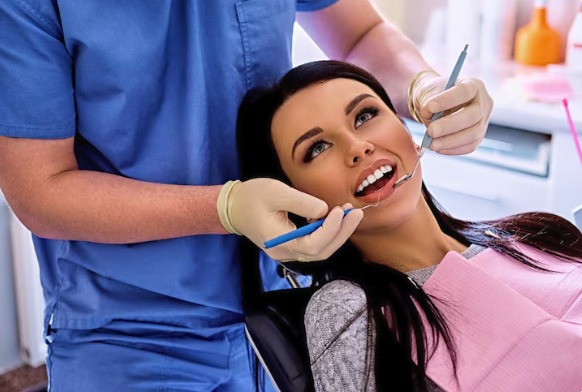
Sleep Apnea Symptoms And Treatments
Sleep apnea can affect every part of daily life, from physical health and mental focus to emotional well-being and energy levels. Many people assume poor sleep is caused by stress, aging, or a busy lifestyle, but in reality an airway obstruction may be disrupting healthy sleep cycles every night. Because symptoms often develop gradually, patients may live with sleep apnea for years before seeking help.
The good news is that sleep apnea can be diagnosed and successfully treated when identified early. Modern treatment options now offer comfortable, effective alternatives that help patients breathe better, sleep deeper, and feel more refreshed throughout the day. Understanding both the symptoms and treatment options is the first step toward improving your overall health.
Sleep apnea treatment is never one-size-fits-all. Every patient has unique airway anatomy, jaw positioning, sleep habits, and health factors that influence treatment success. A personalized evaluation helps determine the best path toward better sleep and healthier breathing.
Loud and Persistent Snoring
One of the most common symptoms of sleep apnea is loud and persistent snoring. While not everyone who snores has sleep apnea, frequent snoring that occurs night after night may be a warning sign of restricted airflow during sleep.
Snoring happens when soft tissues in the throat vibrate as air struggles to move through a narrowed airway. In patients with sleep apnea, these vibrations may become louder and more frequent as airway obstruction worsens.
Partners or family members often notice this symptom first, especially if the snoring is accompanied by unusual breathing pauses or gasping sounds during the night.
Pauses in Breathing During Sleep
A defining symptom of sleep apnea is repeated pauses in breathing during sleep. These pauses may last several seconds or longer and can happen many times throughout the night.
When breathing stops, oxygen levels may drop and the brain briefly wakes the body to restart breathing. Most patients do not remember these awakenings, but they can happen dozens or even hundreds of times.
These repeated interruptions prevent the body from reaching deep, restorative sleep and can significantly affect overall health over time.
Daytime Fatigue and Low Energy
Many patients with sleep apnea wake up feeling tired even after spending a full night in bed. Because breathing interruptions prevent deep sleep cycles, the body never receives the recovery it truly needs.
This often leads to excessive daytime fatigue, low motivation, poor productivity, and difficulty staying alert throughout the day. Some patients even struggle to stay awake during meetings, driving, or routine daily activities.
Persistent daytime exhaustion is one of the most frustrating symptoms of untreated sleep apnea.
Morning Headaches and Dry Mouth
Waking up with headaches or a dry mouth can also be signs of sleep apnea. Reduced oxygen levels during the night may affect blood circulation and contribute to headache symptoms in the morning.
Many patients with airway obstruction also breathe through the mouth during sleep, which can cause dryness, throat irritation, and discomfort upon waking.
These symptoms may seem minor at first but often become more noticeable as the condition progresses.
Poor Focus and Memory Problems
Sleep apnea can have a major impact on brain function and mental clarity. Interrupted sleep affects concentration, memory, reaction time, and the ability to stay mentally sharp throughout the day.
Patients may struggle to focus at work, forget important details, or feel mentally foggy during routine activities. Over time, this can affect productivity, confidence, and daily performance.
Restoring healthy sleep often leads to significant improvements in focus and cognitive function.
Mood Changes and Irritability
Poor sleep can strongly affect emotional health. Patients with untreated sleep apnea often report irritability, mood swings, anxiety, frustration, or reduced emotional resilience.
Because the body never fully recovers during sleep, stress levels may increase and emotional balance may become more difficult to maintain.
Treating sleep apnea often improves mood, patience, mental clarity, and overall emotional well-being.
Professional Sleep Evaluation
The first step in treatment is a professional sleep evaluation. This helps determine whether symptoms are caused by sleep apnea and identifies the severity of the condition.
A sleep study may monitor breathing patterns, oxygen levels, heart rate, and sleep interruptions throughout the night. This provides valuable information about airway function during sleep.
Accurate diagnosis helps create a treatment plan that addresses the true cause of breathing interruptions.
Airway and Dental Examination
A dental airway examination can help identify physical factors contributing to sleep apnea. Jaw position, tongue posture, bite alignment, and oral anatomy may all influence how open the airway remains during sleep.
A detailed examination helps determine whether oral appliance therapy may be an effective treatment option.
Understanding airway anatomy allows treatment to be customized for comfort and long-term success.
Custom Oral Appliance Therapy
Custom oral appliance therapy is a popular treatment for many patients with mild to moderate obstructive sleep apnea. These appliances are worn during sleep and help keep the airway open by gently repositioning the lower jaw.
The appliance is custom-made to fit comfortably over the teeth and support natural breathing throughout the night. Many patients prefer this treatment because it is compact, quiet, and easy to travel with.
With consistent use, oral appliances can significantly improve breathing, reduce snoring, and improve sleep quality.
CPAP Therapy for Severe Cases
Some patients with moderate to severe sleep apnea may require CPAP therapy. This treatment uses gentle air pressure delivered through a mask to keep the airway open during sleep.
Although highly effective, some patients find CPAP equipment difficult to adjust to at first. Professional guidance helps improve comfort and compliance.
For the right candidates, CPAP can provide excellent airway support and long-term health benefits.
Lifestyle Changes That Support Treatment
Healthy lifestyle habits can support professional sleep apnea treatment and improve overall results. Weight management, regular exercise, better sleep habits, and avoiding alcohol before bedtime may all improve airway stability.
Quitting smoking and managing nasal congestion may also help improve breathing during sleep. These changes often enhance the effectiveness of other treatment options.
Combining lifestyle improvements with professional care often produces the strongest long-term outcomes.
Importance of Ongoing Monitoring
Sleep apnea treatment should be monitored regularly to ensure long-term success. Changes in weight, aging, jaw position, or overall health may affect airway function over time.
Routine follow-up visits allow treatment to be adjusted when necessary. Small modifications can improve comfort, effectiveness, and long-term breathing support.
Ongoing care helps patients maintain healthy sleep and consistent results for years.
Services Include
- Airway Evaluation
- Sleep Treatment Monitoring
- Custom Oral Appliance Therapy
- Digital Oral Examination
- Gum Contouring
Common Question
What are the first signs of sleep apnea?
The earliest signs often include loud snoring, daytime fatigue, restless sleep, morning headaches, dry mouth, and difficulty concentrating. Some patients also experience mood changes or wake up gasping during the night. These symptoms may develop gradually and are often ignored for years. A professional sleep evaluation helps confirm the cause.
Can sleep apnea be treated without surgery?
Yes, many patients can successfully manage sleep apnea without surgery. Treatment may include custom oral appliances, CPAP therapy, weight management, and healthy lifestyle changes. The best option depends on the severity of the condition and airway anatomy. A personalized evaluation helps determine the most effective treatment.
Is sleep apnea dangerous if untreated?
Yes, untreated sleep apnea can lead to serious long-term health problems. It may increase the risk of high blood pressure, heart disease, stroke, diabetes, and chronic fatigue. Poor sleep can also affect mental focus, emotional health, and daily performance. Early treatment helps reduce these health risks significantly.
How does an oral appliance help sleep apnea?
An oral appliance gently repositions the lower jaw during sleep to help keep the airway open. This improves airflow, reduces airway collapse, and decreases breathing interruptions throughout the night. Many patients also notice reduced snoring and improved sleep quality. Custom fitting helps maximize comfort and effectiveness.
How do I know which sleep apnea treatment is right for me?
The best treatment depends on your symptoms, sleep study results, airway anatomy, and overall health. Some patients benefit from oral appliances, while others may need CPAP therapy or combined treatment approaches. A professional evaluation helps identify the most suitable option. Personalized treatment provides the safest and most predictable results.
Get in touch
Book An Appointment in Canton?
734-667-5475
Book An Appointment in Troy?
248-817-2620
Email Address
info@inspire-dentistry.com