
Sleep Apnea FAQs Frequently Asked Questions in Canton, MI
Sleep apnea is a serious sleep-related breathing condition that affects millions of people and often goes undiagnosed for years. Many patients in Canton, MI experience symptoms such as loud snoring, daytime fatigue, morning headaches, poor concentration, and restless sleep without realizing that interrupted breathing during sleep may be the cause. At Inspire Dentistry, patients are educated about sleep apnea, its health risks, and available treatment options so they can make informed decisions about their long-term health. Understanding the warning signs, diagnosis process, and treatment possibilities can help improve sleep quality, energy levels, and overall wellness.
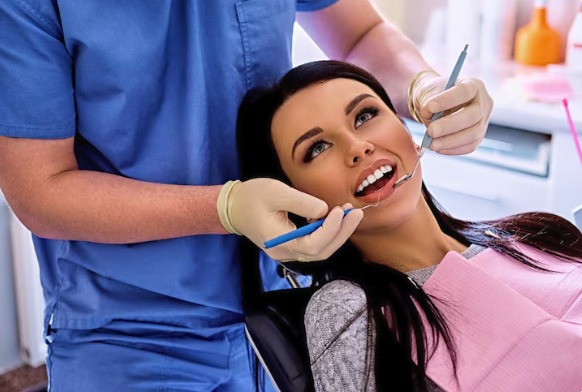
Sleep Apnea FAQs Frequently Asked Questions
Understanding Sleep Apnea
Sleep apnea is a condition in which breathing repeatedly stops and starts during sleep. These breathing interruptions may last a few seconds to over a minute and can happen dozens or even hundreds of times throughout the night. When breathing stops, oxygen levels drop, forcing the brain to briefly wake the body in order to restart breathing.
Most patients do not remember these awakenings, but the repeated interruptions prevent deep, restorative sleep. This often leads to chronic fatigue, poor mental focus, irritability, and reduced daily performance.
Sleep apnea can affect people of all ages, including adults, teenagers, and even children. Early recognition and treatment are important for preventing long-term health complications.
A confident smile can make a powerful difference in both personal and professional life. Many patients choose cosmetic dentistry to correct imperfections that affect their self-esteem. Even small changes in your smile can have a major impact on how you feel and how others perceive you.
Modern cosmetic dentistry uses advanced techniques and materials to create natural-looking results. Treatments are designed to blend seamlessly with your existing teeth, ensuring that your smile looks both attractive and authentic. With today’s technology, achieving a bright and balanced smile is more comfortable and accessible than ever before.
Common Signs and Symptoms of Sleep Apnea
Many patients with sleep apnea are unaware they have the condition because symptoms occur during sleep. One of the most common signs is loud, persistent snoring that may disturb family members or partners. Some people also experience choking, gasping, or pauses in breathing during the night.
Daytime symptoms can include excessive sleepiness, difficulty concentrating, memory problems, mood changes, and morning headaches. Dry mouth upon waking is also commonly reported.
Because these symptoms often develop gradually, many individuals mistake them for normal stress or poor sleep habits instead of a medical condition.
Types of Sleep Apnea
There are different types of sleep apnea, and each affects breathing in a different way. Obstructive sleep apnea is the most common type and occurs when throat muscles relax excessively, blocking airflow during sleep.
Central sleep apnea is less common and occurs when the brain does not send proper signals to the muscles responsible for breathing. Some patients may experience a combination of both types.
Understanding the specific type of sleep apnea helps healthcare providers create the most effective treatment plan for long-term success.
What Causes Sleep Apnea
Sleep apnea can develop due to multiple physical and lifestyle factors. Excess body weight is one of the most common risk factors because extra tissue around the airway can increase obstruction during sleep.
Other causes may include enlarged tonsils, a narrow airway, genetics, jaw structure, nasal blockage, smoking, alcohol use, or muscle relaxation during sleep.
In some patients, anatomical factors within the mouth and throat may contribute significantly to airway collapse during the night.
Who Is at Risk for Sleep Apnea
Sleep apnea can affect anyone, but certain individuals have a higher risk. Adults over the age of forty, people who are overweight, and those with a family history of sleep apnea are more likely to develop the condition.
Men are generally diagnosed more frequently, although women can also develop sleep apnea, especially after hormonal changes later in life.
People who smoke, consume alcohol regularly, or have chronic nasal congestion may also have an increased risk.
How Sleep Apnea Affects Overall Health
Untreated sleep apnea can impact much more than sleep quality. Repeated oxygen deprivation and sleep disruption can place significant stress on the heart, brain, and other vital organs.
Over time, sleep apnea may increase the risk of high blood pressure, heart disease, stroke, diabetes, and metabolic disorders. It can also weaken the immune system and reduce the body’s ability to recover properly.
Many patients also experience emotional stress, anxiety, irritability, and reduced quality of life due to chronic exhaustion.
Sleep Apnea and Daytime Fatigue
One of the most frustrating effects of sleep apnea is extreme daytime fatigue. Even after spending many hours in bed, patients may still wake up feeling exhausted and mentally unfocused.
Interrupted sleep prevents the body from reaching deeper stages of rest that are necessary for physical recovery and mental performance.
This fatigue can affect work productivity, school performance, driving safety, and personal relationships if left untreated.
How Sleep Apnea Is Diagnosed
Sleep apnea is usually diagnosed through a professional sleep study. This may be performed in a sleep clinic or at home using specialized monitoring equipment.
During the study, breathing patterns, oxygen levels, heart rate, and body movements are carefully recorded while the patient sleeps.
The results help determine the severity of sleep apnea and guide the development of a personalized treatment plan.
Dental Evaluation for Sleep Apnea
Dental professionals can play an important role in identifying sleep apnea risk factors. During an evaluation, the airway, jaw alignment, tongue position, and oral anatomy may be examined.
Signs such as teeth grinding, jaw tension, or certain bite patterns may suggest possible airway issues during sleep.
A dental evaluation can help identify patients who may benefit from oral appliance therapy as part of their treatment.
Oral Appliance Therapy for Sleep Apnea
Oral appliance therapy is a popular treatment option for many patients with mild to moderate sleep apnea. These custom-made devices are worn during sleep and help keep the airway open by gently repositioning the jaw.
Many patients prefer oral appliances because they are compact, quiet, and easy to travel with compared to other treatment methods.
When properly fitted and monitored, oral appliances can significantly improve sleep quality and breathing consistency.
CPAP Therapy and Sleep Apnea
Continuous positive airway pressure therapy, commonly known as CPAP, is another common treatment for sleep apnea. This system uses gentle air pressure delivered through a mask to keep the airway open throughout the night.
CPAP therapy is often recommended for patients with moderate to severe sleep apnea.
Although highly effective, some patients may find the equipment challenging at first and may need time to adjust.
Lifestyle Changes That May Help
Certain lifestyle changes may help improve sleep apnea symptoms, especially in mild cases. Weight management, regular exercise, and healthy sleeping habits can positively affect airway stability.
Avoiding alcohol before bedtime, quitting smoking, and sleeping on the side instead of the back may also reduce airway blockage.
While lifestyle changes can help, professional treatment is often still necessary for lasting improvement.
Sleep Apnea in Children
Children can also develop sleep apnea, although the symptoms may appear differently than in adults. Enlarged tonsils and adenoids are common causes in younger patients.
Children with sleep apnea may snore loudly, breathe through the mouth, experience restless sleep, or have trouble focusing during the day.
Early diagnosis is important because untreated sleep apnea may affect growth, behavior, and learning development.
Long-Term Management of Sleep Apnea
Sleep apnea is often a long-term condition that requires consistent management. Even after treatment begins, regular follow-up visits are important to ensure therapy remains effective.
Weight changes, aging, or other health conditions may affect airway stability over time.
Ongoing monitoring helps maintain treatment success and supports better long-term health outcomes.
Improving Quality of Life Through Treatment
Proper sleep apnea treatment can dramatically improve daily life. Many patients notice better energy, improved concentration, enhanced mood, and reduced morning headaches after beginning treatment.
Better sleep also supports heart health, mental clarity, and overall physical wellness.
Addressing sleep apnea early can lead to lasting improvements in both health and quality of life.
Services Include
- Sleep Apnea Consultation
- Airway Evaluation
- Digital Oral Examination
- Custom Oral Appliance Therapy
- Sleep Treatment Monitoring
Common Question
What is sleep apnea?
Sleep apnea is a sleep-related breathing condition where breathing repeatedly stops and starts during sleep. These interruptions may happen many times throughout the night and often reduce oxygen levels in the body. Most patients do not realize it is happening because it occurs while they are asleep. Without treatment, sleep apnea can affect both sleep quality and overall health.
How do I know if I have sleep apnea?
Common signs include loud snoring, gasping during sleep, morning headaches, dry mouth, poor concentration, and excessive daytime fatigue. Some patients also experience mood changes, memory problems, or restless sleep. Family members often notice breathing pauses before the patient does. A professional sleep evaluation is the best way to confirm the condition.
Can sleep apnea be treated without surgery?
Yes, many patients can successfully manage sleep apnea without surgery. Treatment options may include custom oral appliances, CPAP therapy, weight management, and certain lifestyle changes. The right treatment depends on the severity of the condition and the cause of airway blockage. A professional evaluation helps determine the most effective option.
Is sleep apnea dangerous if left untreated?
Untreated sleep apnea can lead to serious health complications over time. It may increase the risk of high blood pressure, heart disease, stroke, diabetes, and chronic fatigue. Poor sleep can also affect mental focus, emotional health, and daily performance. Early treatment helps reduce these risks and improve overall wellness.
Can children develop sleep apnea?
Yes, children can also develop sleep apnea and may show different symptoms than adults. Signs may include loud snoring, restless sleep, mouth breathing, bedwetting, or difficulty focusing at school. Enlarged tonsils and airway obstruction are common causes in younger patients. Early diagnosis helps support healthy growth, learning, and development.
Get in touch
Book An Appointment in Canton?
734-667-5475
Book An Appointment in Troy?
248-817-2620
Email Address
info@inspire-dentistry.com