
Bone Grafting in Canton, MI
Bone grafting is an important dental procedure that helps restore lost jawbone structure and prepare patients for successful restorative treatments like dental implants. Many people experience bone loss because of missing teeth, gum disease, injury, or long-term denture use. At our dental office in Canton, we provide advanced bone grafting procedures designed to strengthen the jawbone, improve oral health, and support long-lasting dental restorations. Modern bone grafting techniques can rebuild weakened bone areas and create a stable foundation for healthier, stronger smiles. Bone grafting is commonly recommended before dental implant placement to improve treatment success and preserve facial structure.
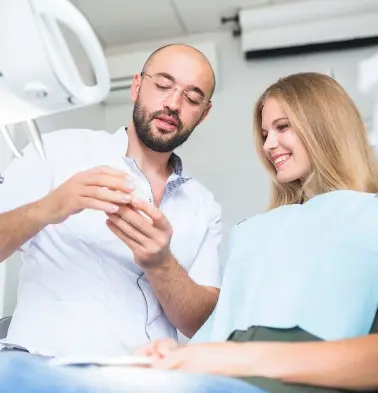
Bone Grafting in Canton, MI
Bone grafting is a dental procedure used to rebuild areas of the jawbone that have lost volume or do not provide sufficient support for certain dental restorations. At Inspire Dentistry in Canton, Michigan, patients can explore bone grafting options as part of an individualized treatment plan for missing teeth, jawbone deterioration, and dental implant preparation.
The jawbone supports natural teeth and provides the foundation needed for dental implants. When a tooth is lost, the surrounding bone may gradually shrink because it no longer receives stimulation from the tooth root. Bone grafting may help restore the required bone volume, depending on the condition of the jaw and the intended treatment.
Benefits of Bone Grafting
Bone grafting offers several important benefits for patients experiencing jawbone loss or preparing for dental implants. One of the biggest advantages is improved support for implant restorations. Strong and healthy bone is essential for stabilizing dental implants and ensuring long-term treatment success. Bone grafting creates a more secure foundation for implants and restorative procedures.
Another major benefit is preservation of facial structure. Bone loss in the jaw can contribute to a sunken or aged appearance over time. Rebuilding the jawbone with grafting materials helps maintain natural facial support and improves overall smile aesthetics. Patients often notice improved facial balance and confidence after treatment.
Bone grafting also helps prevent additional oral health complications. When bone loss progresses, neighboring teeth may shift or become unstable. Strengthening the jawbone supports better tooth stability and reduces the risk of future dental problems. The procedure contributes to stronger oral function and healthier overall dental alignment.
Patients appreciate that modern bone grafting techniques are safe, effective, and highly customizable. Different grafting options allow dentists to tailor treatment according to the patient’s condition and goals. With proper healing and follow-up care, bone grafting can provide long-lasting oral health benefits.
Who Needs Bone Grafting?
Bone grafting may be recommended for patients who have experienced bone loss because of missing teeth, gum disease, injury, or infection. Individuals planning to receive dental implants often require bone grafting if there is not enough healthy bone available to support the implant securely. During the consultation, the dentist evaluates jawbone density using digital imaging and advanced diagnostics.
Patients who have worn dentures for many years may also develop bone deterioration in the jaw. Because dentures do not stimulate the bone like natural tooth roots, gradual bone shrinkage can occur over time. Bone grafting helps restore lost volume and improve support for future restorations or implant-supported dentures.
Periodontal disease is another common cause of jawbone loss. Severe gum infections can damage the tissues and bone supporting the teeth. Bone grafting procedures may help regenerate lost bone and improve oral stability after periodontal treatment. Restoring the jawbone can also support healthier gum tissue and improve long-term oral health outcomes.
At our Canton dental office, every patient receives a personalized evaluation to determine if bone grafting is necessary. We carefully assess oral health conditions and explain all treatment options to help patients make informed decisions about their care.
Types of Bone Grafting Procedures
There are several types of bone grafting procedures available depending on the patient’s oral health condition and treatment goals. Socket preservation grafting is commonly performed immediately after tooth extraction to prevent bone loss and preserve the shape of the jawbone for future implants.
Ridge augmentation is another procedure used to rebuild areas of the jaw that have lost width or height because of bone deterioration. This type of grafting improves the overall structure of the jaw and creates adequate support for restorative treatment. Patients with advanced bone loss may benefit significantly from ridge augmentation procedures.
Sinus lift procedures are often recommended for patients needing implants in the upper back jaw. During this procedure, the sinus membrane is gently elevated and bone grafting material is placed beneath it to increase bone volume. This creates sufficient support for implant placement in areas where natural bone height is limited.
Advanced regenerative techniques may also involve growth factors and tissue-stimulating proteins that encourage natural bone development. Modern grafting procedures allow dentists to restore bone effectively while supporting faster healing and improved long-term treatment success.
The Bone Grafting Procedure
The bone grafting procedure begins with a detailed consultation and oral examination. Digital X-rays and 3D scans help evaluate the amount of bone loss and determine the best treatment approach. Careful planning allows the dentist to create a customized procedure based on the patient’s specific needs.
During the procedure, the dentist places grafting material into the weakened or deficient area of the jawbone. The area is carefully prepared to support proper healing and bone regeneration. In some cases, protective membranes or regenerative materials may also be used to encourage new bone growth and tissue healing.
After the graft is placed, the area is sutured and allowed to heal over time. The healing process varies depending on the size and location of the graft. As healing progresses, the graft integrates with the natural jawbone and stimulates the formation of new healthy bone tissue.
Modern bone grafting procedures are designed to maximize patient comfort and minimize recovery time. Sedation options may also be available for patients who feel anxious during treatment. Our dental team focuses on gentle care and ongoing support throughout every stage of the process.
Bone Grafting for Dental Implants
Bone grafting plays a critical role in the success of many dental implant procedures. Dental implants require adequate bone density to remain stable and function properly over time. If the jawbone is too thin or weak, implant placement may not be possible without grafting first.
By rebuilding the jawbone, bone grafting creates a stronger foundation for implant integration and long-term durability. Patients who were previously told they were not candidates for implants may become eligible after successful grafting treatment. Modern implant dentistry allows more patients to restore missing teeth effectively through advanced bone regeneration procedures.
Another benefit of grafting before implant placement is improved aesthetics. Sufficient bone volume helps create a more natural-looking gum line and facial appearance after implant restoration. Strong bone support also contributes to better chewing efficiency and oral functionality.
At our Canton dental practice, we carefully coordinate bone grafting and implant treatment to achieve optimal results. Our personalized approach helps patients restore healthy smiles while supporting long-term oral stability and comfort.
Recovery After Bone Grafting
Recovery after bone grafting is generally manageable for most patients. Mild swelling, tenderness, and discomfort are common during the first few days after treatment. Following post-operative instructions carefully can help reduce complications and support faster healing.
Patients are usually advised to eat soft foods during the early recovery period to avoid placing pressure on the treated area. Maintaining good oral hygiene is also important for preventing infection and supporting healthy healing around the graft site.
Most individuals can return to normal daily activities within a short period after the procedure. However, smoking and strenuous physical activity may interfere with healing and should be avoided during recovery. Follow-up appointments allow the dentist to monitor healing progress and ensure successful bone regeneration.
Our dental office provides personalized aftercare guidance and support throughout recovery. We are committed to helping patients heal comfortably while preparing for successful long-term restorative treatment outcomes.
Importance of Jawbone Health
Healthy jawbone structure is essential for maintaining strong teeth, facial support, and proper oral function. The jawbone provides stability for natural teeth and dental restorations while supporting the overall shape of the face. Bone deterioration can negatively affect chewing ability, bite alignment, and smile appearance.
When bone loss occurs, surrounding teeth may shift or become unstable. Significant jawbone deterioration may also contribute to facial sagging and premature aging. Bone grafting helps restore healthy bone support and improve oral stability for future restorative treatment.
Maintaining jawbone health is especially important for patients considering dental implants. Strong bone density increases the likelihood of successful implant integration and long-term durability. Prompt treatment of bone loss can prevent more extensive complications and improve overall oral health outcomes.
Patients who prioritize jawbone health often experience improved comfort, confidence, and dental function. Modern bone regeneration procedures provide effective solutions for rebuilding weakened areas and preserving oral health long term.
Advanced Technology for Bone Grafting
Modern dental technology has greatly improved the precision and success of bone grafting procedures. Digital imaging and 3D CT scans allow dentists to evaluate jawbone structure accurately and plan treatment with greater precision. Advanced diagnostics improve both safety and treatment predictability.
Computer-guided planning helps ensure grafting materials are placed effectively within the treatment area. Precise treatment planning contributes to improved healing, stronger bone integration, and better restorative outcomes for future implant placement.
Modern regenerative materials and techniques also support faster healing and improved patient comfort. Advanced membranes, tissue stimulators, and grafting materials help encourage natural bone growth while protecting healing tissues during recovery.
At our Canton dental office, we use advanced dental technology to provide effective and personalized bone grafting solutions. Our commitment to innovation allows us to deliver high-quality care focused on long-term oral health success.
Caring for Your Oral Health After Bone Grafting
Proper aftercare is essential for supporting successful healing after bone grafting treatment. Patients should follow all post-operative instructions carefully to protect the treated area and encourage healthy bone regeneration. Maintaining good oral hygiene is important for preventing infection and complications.
Patients can support healing and long-term oral health by following these care tips:
- Brush gently around the treatment area
- Avoid smoking during recovery
- Eat soft foods while healing progresses
- Attend all follow-up appointments
- Maintain regular dental cleanings and exams
Long-term oral hygiene and routine dental visits play an important role in preserving the results of bone grafting treatment. Healthy habits help support stronger gums, bone structure, and future restorative success.
Affordable Bone Grafting in Canton, MI
Many patients view bone grafting as an important investment in their long-term oral health and restorative treatment success. Although costs vary depending on the type and complexity of the procedure, bone grafting can help prevent more extensive dental complications in the future.
Our dental office works closely with patients to explain treatment costs, financing options, and insurance coverage whenever applicable. Flexible payment plans may help make bone grafting more accessible for individuals preparing for dental implants or restorative procedures.
Addressing bone loss early can improve oral stability and reduce the need for more complex treatment later. Restoring healthy jawbone structure supports better oral function, facial appearance, and long-term dental health outcomes.
Patients in Canton seeking advanced bone grafting treatment may explore providers such as Contemporary Dentistry & Implantology – Canton, Hometown Dental Family & Implant Dentistry, Sandra S Chang, DDS MS, and Greenbaum. and Watkins, DDS for consultations and personalized care
Services Include
- Socket Preservation Grafting
- Ridge Augmentation
- Sinus Lift Procedures
- Tooth Bonding
- Dental Implant Bone Grafting
Common Question
How long does bone grafting take to heal?
Healing time after bone grafting varies depending on the size of the graft and the patient’s oral health. In many cases, healing may take several months before the area is ready for dental implant placement. Your dentist will monitor healing progress during follow-up visits.
Is bone grafting painful?
Most patients experience only mild discomfort during and after bone grafting treatment. Local anesthesia and sedation options help ensure patient comfort throughout the procedure. Temporary soreness and swelling are common but usually improve within a few days.
Why is bone grafting needed before dental implants?
Dental implants require strong and healthy jawbone support to remain stable long term. Bone grafting rebuilds areas where bone loss has occurred and creates a secure foundation for successful implant placement and integration.
What materials are used for bone grafting?
Bone grafting materials may come from the patient’s own bone, donor bone, synthetic materials, or animal-derived sources. The type of graft used depends on the patient’s condition and treatment goals. Your dentist will recommend the most suitable option during consultation.
Can bone loss in the jaw be reversed?
Bone grafting can help regenerate and rebuild areas of lost jawbone effectively. Modern regenerative techniques stimulate natural bone growth and improve oral stability for restorative treatment. Early treatment often leads to better long-term oral health outcomes.
Get in touch
Book An Appointment in Canton?
734-667-5475
Book An Appointment in Troy?
248-817-2620
Email Address
info@inspire-dentistry.com