 Skip to main content

Your natural teeth play an important role in chewing, speaking, and maintaining a balanced smile. However, tooth decay, physical injuries, infections, and gum problems can gradually affect their strength and function. When dental damage develops, choosing the right treatment at the right time can make an important difference in protecting your oral health.
Modern dentistry offers several ways to preserve natural teeth before extraction becomes necessary. Depending on the condition of a tooth, treatment may involve dental fillings, bonding, root canal therapy, periodontal care, or restorative procedures. At Inspire Dentistry in Canton, MI, patients can explore different dental treatment options based on their individual needs.
Understanding how tooth preservation works can help patients make informed decisions and maintain a healthier smile.
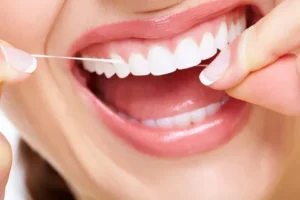
Why Preserving Natural Teeth Matters
Natural teeth support everyday activities and help maintain the proper arrangement of the dental arch. Each tooth contributes to chewing efficiency, speech, and the overall balance of the bite.
When a tooth is lost, neighboring teeth may gradually shift into the empty space. This movement can affect bite alignment and make certain areas harder to clean. Tooth loss can also contribute to changes in the jawbone because the bone no longer receives stimulation from the missing tooth root.
Preserving a natural tooth whenever it is clinically possible helps maintain its original position and connection with surrounding structures. It may also reduce the need for more extensive replacement procedures.
The first step is identifying dental problems early through regular examinations and professional evaluation.

Treating Tooth Decay Before It Becomes Extensive
Tooth decay develops when bacteria in dental plaque produce acids that gradually damage tooth enamel. Frequent exposure to sugary foods and drinks, inadequate oral hygiene, and other risk factors can increase the likelihood of cavities.
In its early stages, decay may not cause noticeable pain. As the damaged area becomes larger, patients may experience sensitivity to cold, hot, or sweet foods. Deeper cavities can affect the inner parts of the tooth and may eventually cause infection.
A dental filling is commonly used when decay has damaged a limited portion of a tooth. The dentist removes the affected tissue, cleans the area, and restores the tooth using an appropriate filling material.
Tooth-colored composite fillings can blend with surrounding enamel while restoring the shape and function of the tooth. Dental bonding may also repair minor chips, cracks, gaps, and uneven surfaces.
Early treatment is valuable because smaller areas of damage may be repaired with more conservative procedures than extensive decay requires.

Root Canal Treatment: Saving a Tooth with Internal Infection
A tooth contains an inner area called the dental pulp, which includes nerves and blood vessels. Deep decay, cracks, trauma, or repeated dental procedures can damage this tissue and cause inflammation or infection.
Common warning signs include:
- Persistent or severe toothache
- Sensitivity to hot or cold that lingers
- Pain when biting or chewing
- Swelling around the affected tooth
- A darkened tooth
- A small pimple-like swelling on the gums
Not every patient experiences all these symptoms. Some dental infections develop with little noticeable discomfort, making professional examination important.
Root canal treatment may be recommended when the pulp is irreversibly inflamed or infected. During the procedure, the affected pulp is removed, the internal canals are cleaned and disinfected, and the space is sealed.
A crown may be recommended afterward to protect a weakened tooth and restore its strength. The goal is to eliminate infection while retaining the natural tooth when possible.
If you experience severe tooth pain, facial swelling, or signs of dental infection, seek professional dental attention promptly. You can also explore emergency dental care in Canton, MI to understand how urgent dental problems are evaluated and treated.
Protecting Teeth from Cracks, Chips, and Physical Damage
Not all dental damage comes from cavities. Biting hard objects, sports injuries, accidents, and teeth grinding can cause cracks, chips, or fractures.
The appropriate treatment depends on the location and depth of the damage. A small chip may be repaired with dental bonding, while a larger fracture may require a crown to protect the remaining tooth structure.
Some cracks extend deeper into the tooth and may affect the pulp. In these situations, root canal treatment or other procedures may be considered. If a fracture extends below the gumline or the tooth cannot be restored predictably, extraction may become necessary.
Patients should avoid chewing hard objects such as ice, use appropriate protective mouthguards during contact sports, and discuss persistent teeth grinding with a dentist.
Prompt evaluation is especially important after an injury because visible damage does not always reveal the full extent of a fracture.
Gum Health and Its Connection to Natural Tooth Preservation
Healthy gums provide essential support for natural teeth. Periodontal disease begins when bacterial plaque accumulates around the gumline and triggers inflammation.
Early gum disease may cause redness, swelling, tenderness, and bleeding during brushing. If it progresses, the supporting tissues and bone can become damaged. Advanced periodontal disease may cause gum recession, loose teeth, and tooth loss.
Professional gum treatment focuses on controlling infection and protecting the supporting structures. Depending on the condition, care may include professional cleaning, scaling and root planing, laser therapy, or other periodontal procedures.
Daily brushing and flossing help control plaque, while regular dental examinations allow changes in gum health to be identified.
Patients who notice bleeding gums, persistent bad breath, gum recession, or loose teeth can learn more about gum disease treatment in Canton, MI. Early evaluation can help identify periodontal problems before further damage occurs.
Wisdom Teeth: When Removal May Protect Nearby Teeth
Wisdom teeth are the final molars to develop, usually appearing during the late teenage years or early adulthood. Some grow into healthy positions, while others become impacted or partially erupt because there is insufficient space in the jaw.
Problematic wisdom teeth can create areas where food and bacteria collect. This may increase the risk of gum inflammation, infection, decay, and damage to neighboring molars.
However, not every wisdom tooth needs to be removed. A dentist evaluates its position, surrounding tissues, symptoms, and potential risks before recommending treatment.
Patients experiencing recurring discomfort, swelling, difficulty cleaning the back of the mouth, or jaw pressure may benefit from an examination.
Learn more about wisdom teeth removal in Canton, MI. Professional assessment helps determine whether removal or continued monitoring is the better option.
When Tooth Replacement Becomes Necessary
Although preserving natural teeth is an important goal, some teeth cannot be restored safely or predictably. Severe fractures, extensive decay, advanced infection, or significant periodontal damage may make extraction necessary.
When a tooth is removed, replacement options can help restore chewing function and maintain the arrangement of the dental arch.
A dental implant is one possible option for replacing a missing tooth. It consists of an implant placed in the jawbone that supports a custom replacement crown after appropriate healing. Other options may include dental bridges or removable dentures.
The right choice depends on bone support, gum health, medical history, the condition of neighboring teeth, and individual preferences.
A dental consultation helps patients understand the advantages, limitations, treatment stages, and maintenance requirements of each replacement option.
Daily Habits That Help Preserve Natural Teeth
Professional treatment is only one part of protecting a smile. Everyday habits also influence how long natural teeth and dental restorations remain healthy.
Consider these practical steps:
- Brush twice daily with fluoride toothpaste.
- Clean between teeth every day using floss or suitable interdental tools.
- Reduce frequent consumption of sugary snacks and drinks.
- Avoid using teeth to open packages or bite hard objects.
- Wear a mouthguard during appropriate sports activities.
- Attend regular dental examinations and professional cleanings.
- Seek dental advice when pain, sensitivity, swelling, or bleeding develops.
Families can also build consistent oral hygiene routines through regular checkups and age-appropriate dental guidance. Explore family dentistry in Canton, MI for information about dental care for children and adults.
Protect Your Natural Smile at Inspire Dentistry in Canton, MI
Preserving natural teeth requires early diagnosis, appropriate treatment, and consistent oral hygiene. Whether you have a cavity, a damaged tooth, signs of infection, or concerns about wisdom teeth, understanding the available options is an important first step.
Inspire Dentistry offers dental treatments in Canton, Michigan, to address different oral health concerns. A professional consultation can help identify the cause of a problem and determine whether restorative treatment, root canal therapy, gum care, or another procedure may be suitable.
Inspire Dentistry
43050 Ford Rd #190, Canton, MI 48187
Phone: 734-667-5475
Email: info@inspire-dentistry.com
Take the opportunity to discuss your dental concerns and learn how appropriate treatment can help protect your natural teeth and maintain a comfortable, functional smile.
